February 19, 2026
Understanding when to hire a local plumber to replace your plumbing fixtures can save you time, money, and inconvenience. This article will walk you through the top signs that indicate it might be time for an upgrade. By being proactive and recognizing these warning signs, you can avoid costly repairs and enhance the overall efficiency of your home. Addressing plumbing issues at the right moment not only conserves water but also contributes to the longevity of your plumbing system. Let’s delve into the crucial signs that it’s time to call your local plumber to replace your plumbing fixtures.
Unusual Noises and Vibrations
One of the first signs that you may need to replace your plumbing fixtures is hearing a banging noise inside the pipes. This phenomenon, often referred to as water hammer, occurs when water flows through pipes and suddenly changes direction. It can be startling and is usually indicative of higher pressure in the plumbing system than is appropriate. Over time, this can lead to further damage to the plumbing infrastructure if the underlying issue isn't addressed. Listening to these warning sounds can save you from more expensive repairs or replacements in the future.
Another auditory clue that your fixtures may need attention is the existence of whistling or squealing noises from your faucets. These sounds are frequently caused by mineral deposits or old washers obstructing the water flow. Ignoring this problem can escalate to leaks; replacing worn-out parts swiftly can prevent this inconvenience. Updating affected fixtures can ensure smoother operation and improve water flow. This simple fix could be far more cost-effective than dealing with potential water damage from an unmanaged issue.
In addition to noises, vibrations in the pipes can indicate a need for fixture replacement. Vibrations are frequently caused by loose fasteners or mounts that have weakened over time due to wear and tear. These vibrations might not initially appear problematic, but they can compromise the structural integrity of your plumbing over time. Addressing the root cause by replacing defective fixtures or tightening connections can stop vibrations and reduce further physical stress on your pipes. Such maintenance is vital to ensure the longevity and safety of your plumbing system.
Discoloration and Rust
Consistently discolored water flowing from your faucets is a clear indication that you may need to replace plumbing fixtures. Brown or yellow hues often signify the presence of rust in your pipes, predominantly if they are made from materials susceptible to corrosion like iron. Newer plumbing fixtures made of corrosion-resistant materials can help prevent the issue from recurring. While minor rust issues can be addressed temporarily with cleaning or pipe pitting, persistent discoloration usually demands a fixture upgrade. Investing in updated materials ensures improved water quality and prolonged utility.
Physical rust or corrosion on the surface of fixtures should not be ignored, as it can herald more extensive damage beneath its exterior. Rust not only degrades the appearance of sinks, faucets, and showers but also typically leads to leaks or structural damage over time. Addressing this by replacing affected fixtures with new models can mitigate further rust development and maintain your home’s aesthetics. Modern fixtures made from stainless steel or other durable materials help prevent this challenge. Proactively opting for replacements can save the hassle of dealing with more extensive repairs.
Another troublesome sign to monitor is the occurrence of stains and mineral buildup around fixtures. Hard water is often to blame, leaving deposits of calcium and magnesium visible on your sinks and showerheads. Homeowners can tackle minor buildups with regular cleaning solutions and techniques, but persistent and stubborn stains may necessitate replacements. Newer fixtures might include protective finishes to combat these issues effectively. Over time, addressing this problem can ensure not just aesthetic appeal but functional performance improvement as well.
Leaks and Constant Dripping
Silent and slow leaks are often the most insidious forms of plumbing issues a homeowner can face. According to This Old House, the average home leaks about 10,000 gallons of water each year. Their subtlety can result in gradual water waste that eventually leads to increased water bills. Catching these leaks early can circumvent more painful expenses, as serious leaks might necessitate replacing entire fixtures or sections of piping. Besides, slow leaks can induce water damage over time, affecting adjacent infrastructure like cabinets or flooring. Identifying and rectifying such leaks with fixture replacements can thwart further water damage.
Noticing an inexplicable rise in your water bill can be frustrating, but it could indicate fixtures that require replacement. Undetected leaks or inefficiencies within your plumbing system can lead to water wastage and unexpectedly high expenditures. Investigating all plumbing installations to identify the source is a critical step. Replacing the faulty fixtures with new, efficient models doesn't just curb immediate leaks but also hinders future water wastage. Considering such actions eventually offsets new fixture installation costs through reduced utility bills and greater efficiency.
Visible water pooling around your fixtures or plumbing installations suggests potential leaks or damage. Such pools are often indicative of failing seals or compromised junctures that are allowing water escape. Besides creating unsightly problems, pooling water is a slip hazard and can lead to mold if left unaddressed. Tackling these issues by assessing and replacing troublesome fixtures, drains, and standing water concerns. Upgrading seals and supports with new materials can prevent similar risks long-term and ensure your fixtures operate problem-free.
Low Water Pressure
Experiencing weak water flow from your faucets should prompt an investigation into potential fixture issues. While initial perception might target piping as the villain, aged or clogged fixtures might be culpable for reduced pressure. Rust, sediment buildup, or worn-out aerators can hinder normal water flow over time. Modern fixtures offering improved water flow technology can tackle these hurdles easily. Doing so will not only restore desired performance levels but will enhance overall utility and user experience.
Pressure drops often experienced during showers are huge inconveniences and might suggest fixtures that require replacement. This issue often arises due to sediment clogging shower heads or internal component fatigue over time. Solutions might involve cleaning or replacing affected shower components to better manage water distribution. Replacing with new units could elevate the pressure, offering a more consistent, powerful experience, benefiting daily routines. Over time, this investment in replacements can improve comfort, efficiency, and satisfaction with the bathroom environment.
Irritating fluctuations in your water pressure during use point towards deeper-seated plumbing concerns. Ebbing and flowing water levels can be consequential to partial blockages or inconsistent flow management within aging fixtures. Investing in new fixtures can handle water distribution more proficiently, eliminating frustrating inconsistencies. Advanced models are specifically designed with pressure balance in mind to avert such challenges. Ensuring a smooth, uninterrupted flow becomes possible with these enhancements, maximizing utility each time.
Age and Inefficiency
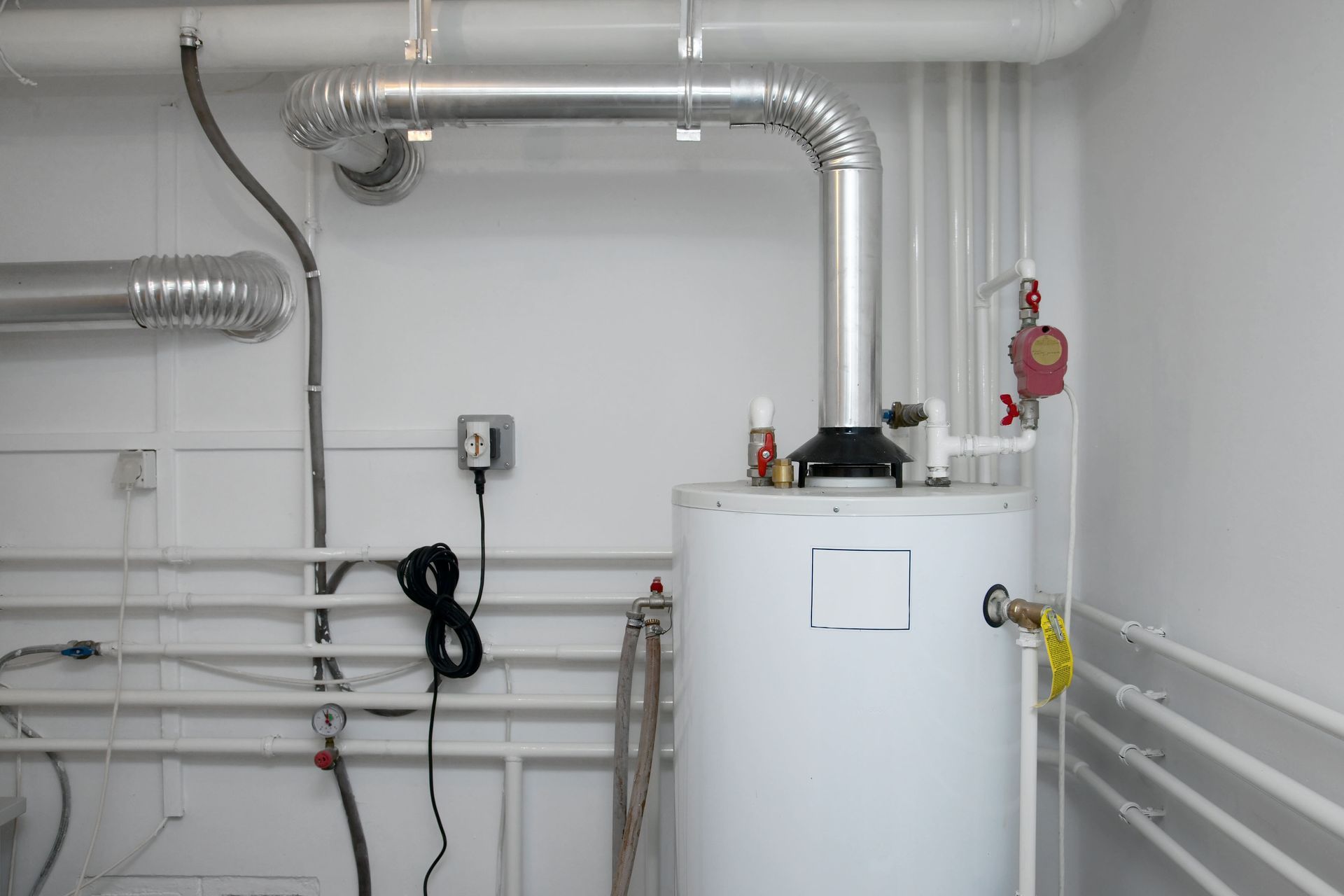
The lifespan of plumbing fixtures varies considerably depending on their type, maintenance, and exposure. As an experienced local plumber, we've noticed that faucets typically last a few decades, while toilets can extend their utility another 15-30 years. Water heaters might require replacement more frequently, given their crucial role in daily function. Structurally integral parts might call for replacement as their effectiveness depletes, leading to increased inefficiency in water flows or significant concerns around reliability. Recognizing potential declines early can help transitions to updated models that sustain similar lifespans while carrying contemporary benefits.
Outdated models often come with fewer conveniences, minimal enhancements, and might fall behind evolving style trends. Older design flaws, wear and tear, and obsolete features prevent them from complementing current interior designs or performing optimally. Consequently, raising an opportunity to upgrade not just promises bh better-functioning replacements, but additionally adds to the cohesion of interior spaces. New iterations align with changing preferences, modern aesthetics, and technically refine past limitations for seamless sensory experiences. Therefore, replacing but also improving upon previous experiences provides a compelling rationale for homeowners.
Energy-efficient performance is a significant consideration for modern homeowners' decision-making, spurring them toward replacements when inefficiencies are apparent. Older plumbing fixtures might hinder endeavors to reduce utility bills and environmental impact, favored objectives of contemporary constructions. New products often embody energy-efficient technologies - whether smart heating adjustments or water-saving innovativeness - yielding practical benefits. Compelling convenience amidst these gains justifies replacing outdated equipment in favor of more resourceful machinery. Upgrading not only meets utility conservation goals but also offers operational transparency often unattainable with aged systems.
Recognizing signs of failing plumbing fixtures early on can help prevent significant damage and maintain the efficiency of your plumbing system. Understanding when and how to act on these signs is crucial in safeguarding your home from undue stress and potential high costs. Investing in new plumbing fixtures, while initially an outlay, offers long-term savings through efficiency, improved performance, and an elevated level of comfort and aesthetic quality. Ultimately, taking proactive steps towards maintaining a functional, appealing, and efficient plumbing system greatly enhances your living environment's comfort and overall value. For a local plumber you can count on, contact Patriot USA Plumbing & Heating LLC today.